
Understanding how you think, learn, and function can be the first step toward understanding what is possible.
When you or someone you love is struggling with attention, learning, memory, behavior, emotional regulation, or other challenges, it can be difficult to know what is really going on. You may have questions, but not clear answers. You may have received a diagnosis, but still wonder what it means for the future.
That is where Dr. López can help.
As a bilingual clinical neuropsychologist, Dr. López helps individuals and families understand how they think, learn, and function so they can make informed decisions and move forward with greater clarity and confidence.
His approach begins with an important question:
What if understanding your challenges is only part of the answer? What if understanding your strengths is just as important?
A Different Way of Looking at Neuropsychology
Dr. López believes a neuropsychological evaluation should be more than a collection of scores or a diagnostic label. It should help tell the story of the person behind the numbers.
An evaluation can help identify cognitive abilities, learning patterns, attention, memory, emotional functioning, and areas of difficulty. But just as importantly, it can reveal strengths, abilities, and opportunities that can become the foundation for growth.
His strengths based approach follows five principles:
Understand. Discover how you think, learn, and function.
Address. Identify the challenges that may be getting in the way.
Leverage. Use your existing strengths and abilities to your advantage.
Build. Develop practical strategies that fit the way you function.
Thrive. Create opportunities to move forward with greater confidence and purpose.
The goal is not simply to give you a diagnosis. The goal is to help you understand what the diagnosis means, what you can do about it, and how to use what you already do well to create meaningful change.
Turning Understanding Into Action
Dr. López translates assessment findings into practical recommendations that individuals and families can use in everyday life.
Depending on the individual and the purpose of the evaluation, this may mean understanding why a child is struggling in school, helping a student identify academic strengths and potential career paths, clarifying attention or learning difficulties, understanding changes in memory or thinking, or helping adults better understand how neurological, developmental, or emotional factors may be affecting their lives.
His clinical experience spans pediatric, adult, and geriatric populations, with specialized training and experience involving ADHD, autism, learning and developmental concerns, epilepsy, dementias, brain injury, and psychological functioning.
He also provides Independent Medical Evaluations (IMEs) involving developmental, neurological, and neuropsychiatric conditions.
Experience You Can Trust
Dr. López earned his doctoral degree in Clinical Psychology and completed postdoctoral training in Clinical Neuropsychology. His advanced training includes cognitive behavioral therapy, epilepsy, dementias, brain injury, autism, and ADHD.
In addition to his work at LarLo Behavioral Services, Dr. López holds clinical appointments and hospital privileges at El Paso Children’s Hospital and University Medical Center of El Paso. He collaborates with neurology and epilepsy teams, participates in specialized procedures such as the Wada test, and provides neuropsychological evaluations for individuals with diverse neurological and neurocognitive conditions.
He also serves as a Clinical Assistant Professor in the Department of Psychiatry at Texas Tech University Health Sciences Center El Paso as community faculty.
At LarLo Behavioral Services, Dr. López works closely with Dr. Lizette Lara, M.D., Clinical and Forensic Psychiatrist, as part of a multidisciplinary team integrating clinical neuropsychology, psychiatry, and forensic psychiatry.
Beyond the Diagnosis
Dr. López’s philosophy is rooted in a simple belief:
A diagnosis should explain a person’s challenges, but it should never define the person.
His TEDx Talk message reflects this same philosophy: when we understand our strengths and how we are uniquely wired, we can make better choices, recognize new possibilities, and unlock greater potential.
Whether the goal is helping a child succeed in school, helping an adult better understand themselves, clarifying a neurological concern, or developing a path forward after a diagnosis, the process begins with understanding.
When we understand our strengths, we can unlock our potential.
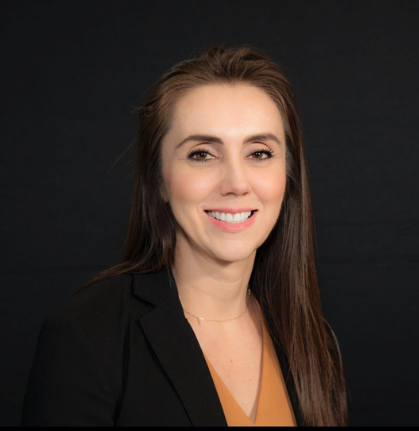
Adult & Forensic Psychiatrist
*Will be available for consultation in the fall of 2026

Board Certified Psychometrist